Entry · Ref UV4GS0IH
The Function Of Hplc Evaluation In Peptide Characterization
- Posted
- 2026-10-12
- Last amended
- 2026-10-12
- Account
- @zanenwxp924
Air Conditioner Peptide Testing Laboratories Third-party Peptide Analysis High Performance Liquid Chromatography ( HPLC) technique advancement, validation, and analysis is just one of one of the most commonly made use of strategies for medication screening in formulas and organic fluids. Pureness is computed by separating the primary peak https://archerhzoh335.northcrestbrief.com/posts/why-you-should-not-buy-peptides-on-the-internet-from-research-study-drug-stores location by the complete incorporated location of all UV-absorbing heights. Constant settings for standard, combination, flow rate, and slope conditions are essential for similar data. William is a study analyst at Peptides Lab UK, being experts in study peptides, research laboratory compounds, and sourcing criteria for high-purity peptide items. Peptides are fragile and can quickly end up being compromised if you aren't careful. This is why analytical screening throughout formulation advancement is so vital. Tests like molecular Thymosin Beta-4 Fragment weight decision (LC-MS) verify the molecular weight of the peptide. Amino acid series verification (MS/MS) validates that the peptide's series is right. MS is specifically practical for locating pollutants that co-elute (substances that are not fully separated) during chromatography. In peptide research, the high quality of your starting products directly determines the reliability of your results. High-Performance Liquid Chromatography, typically referred to as HPLC, is the gold conventional logical technique for evaluating peptide pureness. Understanding what HPLC screening entails and why it matters is necessary knowledge for any type of researcher dealing with synthetic peptides.
What Kinds Of Hplc Screening Services Are Provided In A Hplc Laboratory?
Just how much does peptide HPLC testing cost?
The expense of peptide analysis solution differs significantly based upon which techniques your governing plan requires: HPLC-UV Evaluation: $& #x 24; 300 & #x 2013; & #x 24; 800 per sample (conventional pureness assessment) LC-MS (Liquid Chromatography-Mass Spectrometry): $& #x 24; 600 & #x 2013; & #x 24; 1,500 per example (molecular weight confirmation).
What Makes Hplc Testing Best For Dosage Solution Analysis?
NorthEast BioLab supplies a complete range of HPLC screening solutions to sustain your medication exploration and advancement. We use the HPLC assay to analyze your drug substances' pharmacokinetics, pharmacodynamics, safety and security, efficiency, or effectiveness in appropriate organic and formulation matrices. These products have not been evaluated by the Fda (FDA) and are not planned to identify, treat, treat, or avoid any illness or clinical problem. Dose info, reconstitution guides, and protocol referrals are based on published research literature and are attended to research study referral only. Request information on instrumentation, detection limitations, and validation standing prior to sending samples. Several organizations choose Prax Peptide for its peptide-focused experience and trustworthy logical support. ScienceDirect-- Peer-reviewed study posts on logical chemistry and peptide screening.- Normally, this fit-for-purpose method helps decrease the HPLC examination cost considerably during very early exploration studies.
- The pureness of the peptide is confirmed by running logical HPLC adhered to by mass spectrum evaluation.
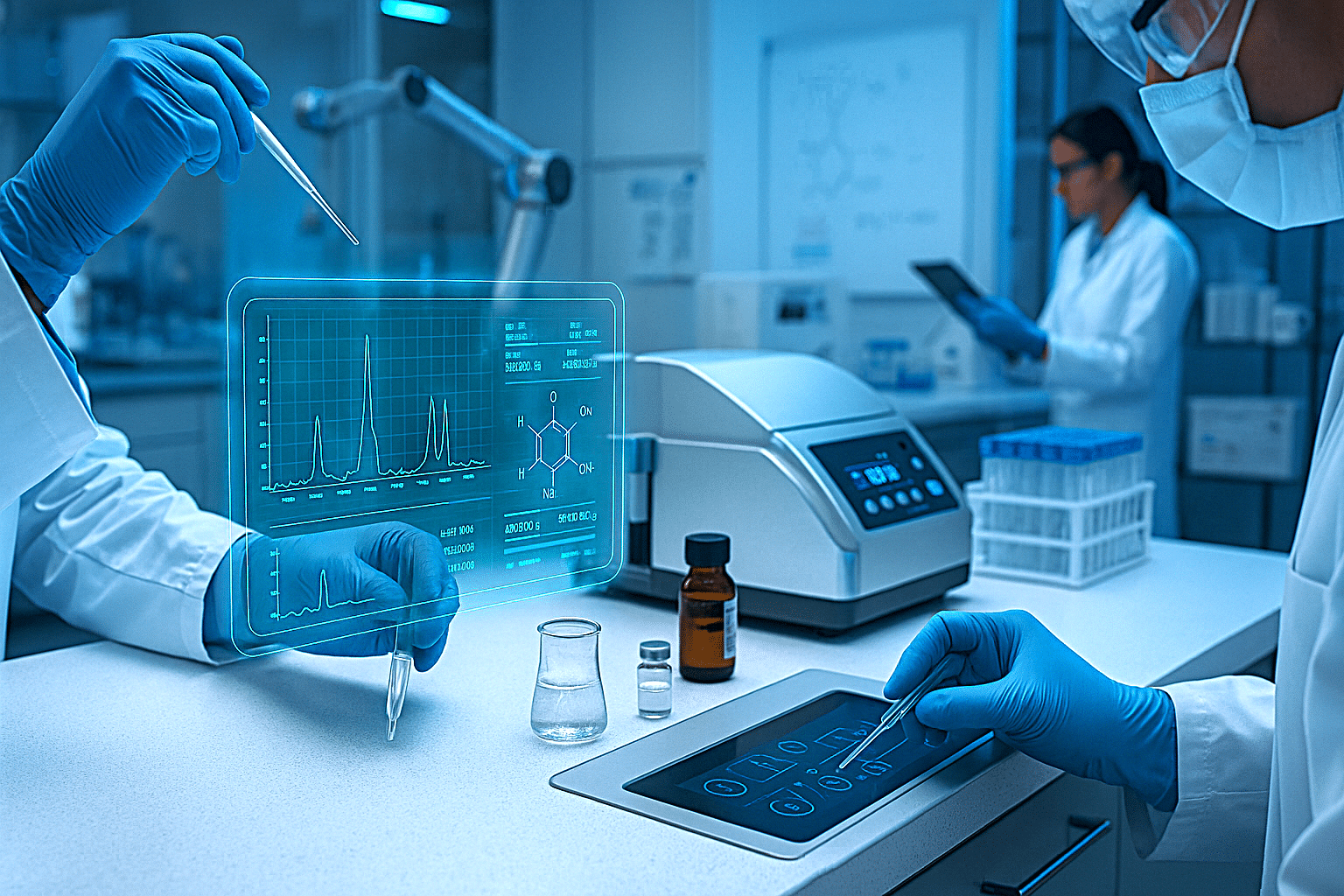
- The chromatogram is one of the most crucial visual data component on an HPLC peptide test report.
- As soon as the item is authorised, the compliance pressure morphs from a burden of demonstration to a concern of maintenance.
- Imaginative Proteomics offers peptide pureness evaluation services based on RP-HPLC, and we have RP-HPLC columns that can satisfy your different speculative needs.
Entry closed✓ Balanced